
In today's fast-paced digital world, businesses need instant communication with their customers. One of the most effective tools for this is a whatsapp chatbot for business.
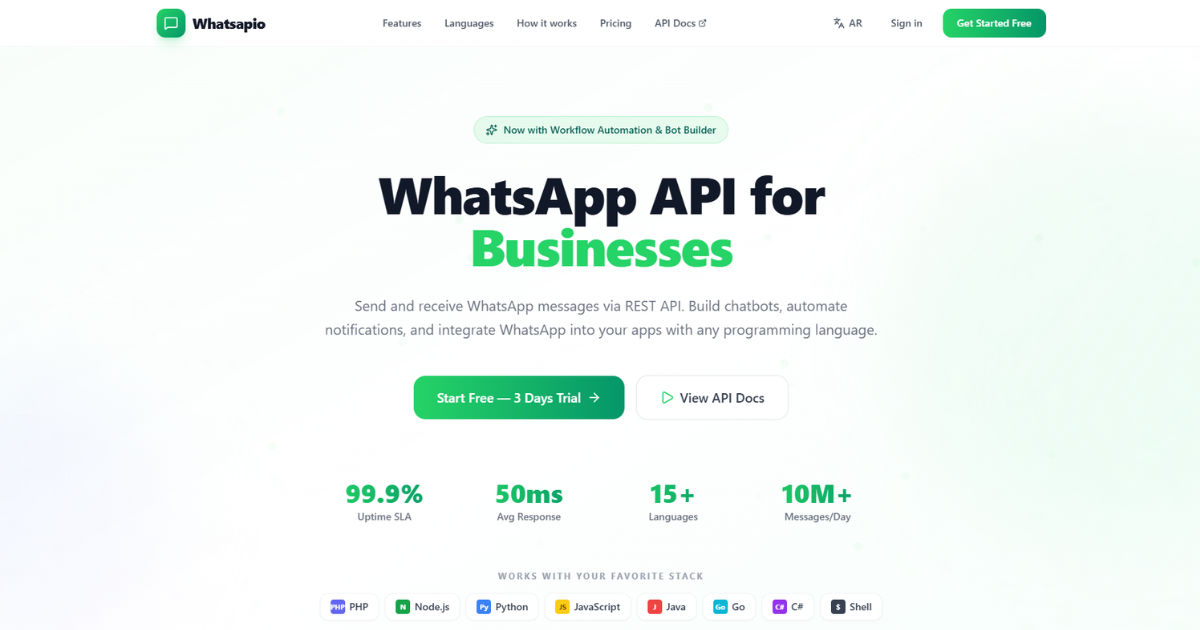 This technology allows companies to automate their messaging, provide instant support, and even boost sales. If you are wondering how messaging works in a WhatsApp chatbot for business, this guide will explain every step in detail.
Messaging through a whatsapp chatbot for business may seem simple on the surface, but there is a complex system behind the scenes.
From understanding user messages to sending automated responses, chatbots rely on structured processes to maintain smooth communication. In this article, we will break down these processes, explain key features, and provide insights for businesses looking to implement chatbots effectively.
What Is a WhatsApp Chatbot for Business?
A whatsapp chatbot for business is a software tool designed to interact with users automatically on WhatsApp. Instead of a human responding to every message, the chatbot can handle customer queries, send notifications, or guide users through processes like ordering or booking appointments.
Chatbots can be simple or advanced. Simple bots answer frequently asked questions using predefined messages. Advanced bots, on the other hand, use artificial intelligence to understand customer intent, provide personalized responses, and even handle complex conversations.
The main advantages of using a whatsapp chatbot for business include:
- 24/7 availability
- Instant responses to customer queries
- Reduced workload on customer service teams
- Improved customer engagement
- Streamlined sales and marketing processes
By integrating a WhatsApp chatbot, businesses can ensure they never miss a customer inquiry, making it a powerful tool for communication and growth.
How Messaging Works in a WhatsApp Chatbot for Business
Understanding the messaging flow in a whatsapp chatbot for business is key to leveraging its full potential. Here’s how it works step by step:
1. User Sends a Message
The process begins when a customer sends a message to the business WhatsApp number. This message could be a question, a command, or even a simple greeting. WhatsApp provides an API (Application Programming Interface) that allows the chatbot to receive and interpret these messages.
For example, if a user writes “What are your store hours?” the chatbot receives this message through the WhatsApp platform and prepares to respond.
2. Message Processing
Once the message is received, the chatbot analyzes it to understand the user’s intent. There are two main ways chatbots process messages:
- Rule-Based Processing:
Simple chatbots follow predefined rules. For instance, if the message contains “hours,” the bot automatically sends the store timings. This is quick but limited to specific scenarios. - AI-Powered Processing:
More advanced chatbots use machine learning and natural language processing (NLP) to understand context. They can interpret complex queries like, “Can I pick up my order today?” and respond accurately.
Message processing ensures that the bot understands the customer query correctly before sending a reply. This step is crucial for a smooth user experience.
3. Generating a Response
After understanding the message, the chatbot generates a response. This can be:
- A text reply, such as “Our store is open from 9 AM to 9 PM.”
- A media reply, like an image, PDF, or video to assist the user.
- An interactive reply, such as buttons or quick replies that let the user select options.
The goal is to provide a helpful, accurate, and timely response. In a whatsapp chatbot for business, automated responses reduce delays and make customer interaction seamless.
4. Sending the Response
The final step in the messaging process is delivering the response back to the user. Using the WhatsApp Business API, the chatbot sends the message, and the customer receives it almost instantly.
This real-time interaction makes chatbots effective for businesses, as users get quick answers without waiting for a human agent. It also allows companies to handle multiple conversations simultaneously, which is impossible for humans alone.
Key Features of WhatsApp Chatbots
A whatsapp chatbot for business comes with a range of features that make messaging efficient and personalized. Some of the most important features include:
Automated Replies
Automated replies are pre-set messages that answer common customer questions. For example, if a customer asks, “Do you deliver on weekends?” the bot can instantly reply, “Yes, we deliver on Saturdays and Sundays from 10 AM to 6 PM.”
Quick Replies
Quick replies provide buttons that users can click instead of typing responses. This speeds up the conversation and reduces errors. For example, a chatbot can ask, “Would you like to see our product catalog or place an order?” with two buttons: “Catalog” and “Order Now.”
Multimedia Messaging
A WhatsApp chatbot can send images, videos, documents, and audio clips. This is particularly useful for sharing product catalogs, tutorials, invoices, or promotional content.
Personalized Messaging
Using customer data, chatbots can personalize messages. For example, “Hi Sarah, your order #1234 has been shipped.” Personalization makes interactions more human-like and builds customer trust.
Integration with Business Tools
Advanced whatsapp chatbot for business solutions integrate with CRM systems, payment gateways, and analytics tools. This allows businesses to track interactions, follow up on leads, and measure customer satisfaction.
How Businesses Can Use WhatsApp Chatbots
The versatility of a whatsapp chatbot for business means it can be used in many areas:
Customer Support
Chatbots handle routine queries such as product availability, order status, or store timings. This reduces the workload of customer support teams and ensures quick responses for users.
Sales and Marketing
Businesses can use chatbots to send promotional messages, recommend products, and even close sales directly through WhatsApp. For example, a chatbot can suggest complementary products based on a customer’s previous purchases.
Appointment Booking
Service-based businesses like salons, clinics, or consultants can use chatbots to schedule appointments. The bot can check available slots, confirm bookings, and send reminders.
Feedback Collection
After a purchase or service, chatbots can send feedback forms or surveys to collect customer opinions. This helps businesses improve their services.
Order Tracking
E-commerce businesses can use chatbots to provide real-time updates on order status, shipping, and delivery. This enhances customer satisfaction and reduces inquiries.
Advantages of Using a WhatsApp Chatbot for Business
Implementing a whatsapp chatbot for business has multiple benefits:
- Cost Efficiency: Reduces the need for large customer service teams.
- Instant Communication: Ensures customers receive immediate responses.
- 24/7 Availability: Customers can interact with the business anytime.
- Scalability: Handles thousands of messages simultaneously.
- Enhanced Customer Engagement: Personalized and interactive messaging improves customer loyalty.
These advantages make chatbots an essential tool for modern businesses.
Challenges and Limitations
While chatbots are powerful, they do have limitations:
- Complex Queries: Bots may struggle with highly specific or unusual questions.
- Language Understanding: Some bots may not perfectly understand slang or regional language.
- Initial Setup Cost: Advanced chatbots require investment in AI and integrations.
- Human Touch: Certain customer interactions, like complaints, may still need human intervention.
Businesses should use chatbots alongside human agents to provide the best experience.
Best Practices for Effective WhatsApp Chatbots
To maximize the effectiveness of a whatsapp chatbot for business, consider the following best practices:
Keep Messages Simple and Clear
Avoid long messages. Break down information into short, readable paragraphs or bullet points.
Use Interactive Elements
Buttons, quick replies, and media messages make conversations engaging and reduce typing errors.
Personalize the Experience
Use customer names, order details, or past interactions to create a more human-like conversation.
Regularly Update Bot Responses
Ensure the chatbot responses are up to date with current business information, promotions, and policies.
Monitor Performance
Track message response rates, customer satisfaction, and engagement metrics to optimize the bot.
Provide an Easy Human Hand-Off
Always offer an option to connect with a human agent if the bot cannot handle the query. This ensures a smooth customer experience.
Conclusion
Messaging through a whatsapp chatbot for business combines automation, personalization, and efficiency. By understanding how messages flow—from receiving customer queries to processing, generating, and delivering responses—businesses can create seamless communication channels that enhance customer satisfaction.
While chatbots cannot replace human interaction entirely, they are invaluable for handling routine tasks, providing instant support, and improving engagement. By implementing best practices and leveraging advanced features, businesses can ensure their WhatsApp chatbot becomes a key part of their digital strategy.
In short, a whatsapp chatbot for business is not just a messaging tool; it is a bridge between a company and its customers, making communication faster, smarter, and more efficient.