
Choosing the right Glass Hardware Supplier is one of the most important decisions for any construction, renovation, or interior design project. Whether you are installing glass doors, shower enclosures, railings, office partitions, or commercial storefronts, the quality of the hardware directly affects durability, appearance, and safety. 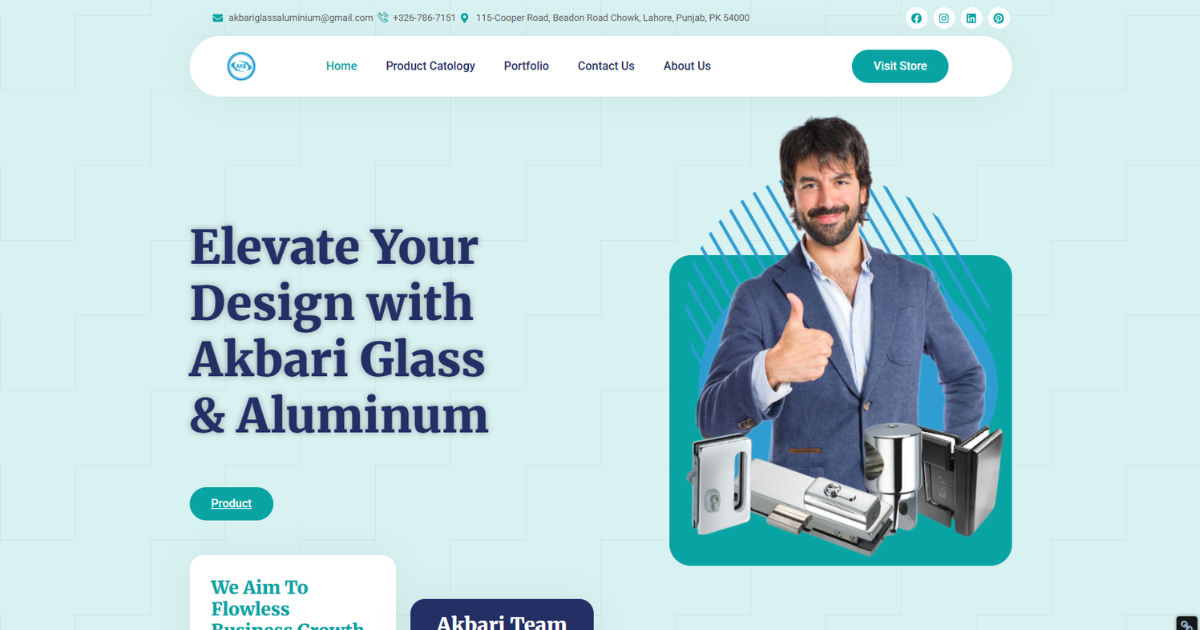
Many buyers focus only on pricing, but there are many other factors that determine whether a supplier is the right choice. Product quality, certifications, technical support, inventory availability, delivery schedules, warranties, and customer service all play significant roles. Asking the right questions before placing an order helps you avoid costly mistakes and ensures you receive products that meet your expectations.
This comprehensive guide explains the most Glass Hardware Supplier you should ask before choosing a supplier. By understanding these questions, you can confidently select a supplier who provides reliable products, excellent service, and long-term value.
Why Choosing the Right Supplier Matters
Glass hardware plays a critical role in both residential and commercial buildings. Hinges, handles, locks, sliding systems, clamps, connectors, and support brackets are responsible for keeping glass installations secure while maintaining an attractive appearance.
A dependable supplier helps ensure that every component performs as expected. Inferior hardware may rust, loosen, break, or fail prematurely, creating safety concerns and increasing maintenance costs. High-quality hardware, on the other hand, improves durability, enhances aesthetics, and provides years of dependable service.
Selecting the right supplier also saves time. Reliable businesses maintain adequate inventory, deliver orders on schedule, and provide knowledgeable support whenever technical questions arise.
What Types of Glass Hardware Do You Supply?
The first question should focus on the supplier's product range.
A professional supplier should offer a complete selection of hardware suitable for various applications. This allows you to purchase everything from one trusted source rather than working with multiple vendors.
Ask whether they supply products for:
-
Glass doors
-
Shower enclosures
-
Glass railings
-
Office partitions
-
Sliding glass systems
-
Commercial storefronts
-
Glass canopies
-
Glass facades
-
Glass shelving
-
Interior decorative glass
A broad product selection demonstrates experience and the ability to support projects of different sizes.
Are Your Products Made from High-Quality Materials?
The material used in glass hardware significantly impacts its performance.
Ask which materials are available. Common choices include:
-
Stainless steel
-
Brass
-
Aluminum
-
Zinc alloy
High-grade stainless steel is especially popular because it resists corrosion and performs well in humid environments such as bathrooms and coastal locations.
Also ask whether finishes are durable enough for long-term use. Popular finishes include brushed stainless steel, polished chrome, matte black, satin nickel, and powder-coated colors.
Do Your Products Meet Industry Standards?
Safety should never be overlooked.
Ask whether products comply with recognized industry standards and certifications.
Reliable suppliers should provide documentation demonstrating that their products have been tested for:
-
Load capacity
-
Corrosion resistance
-
Mechanical durability
-
Safety performance
-
Quality control
Certification gives buyers confidence that the hardware performs as intended under normal operating conditions.
Can You Recommend the Right Hardware for My Project?
Not every project requires the same hardware.
An experienced supplier should understand different installation environments and recommend suitable products based on:
-
Indoor or outdoor use
-
Residential applications
-
Commercial buildings
-
Heavy traffic areas
-
Moisture exposure
-
Glass thickness
-
Weight requirements
Professional guidance helps prevent compatibility problems during installation.
What Glass Thickness Is Supported?
Different hardware accommodates different glass thicknesses.
Before purchasing, confirm which thicknesses each product supports.
Typical glass thicknesses include:
-
8 mm
-
10 mm
-
12 mm
-
15 mm
-
19 mm
Using incompatible hardware may compromise both appearance and safety.
What Is the Maximum Weight Capacity?
Weight capacity is another critical factor.
Door hinges, sliding systems, and support fittings all have maximum weight limits.
Ask for documented specifications instead of estimates.
Knowing the weight capacity ensures safe operation throughout the product's service life.
Are Custom Products Available?
Some projects require customized hardware.
Ask whether the supplier offers:
-
Custom dimensions
-
Special finishes
-
Logo engraving
-
Unique colors
-
Custom manufacturing
-
Project-specific solutions
Customization allows architects and designers to create distinctive installations that match project requirements.
What Finishes Do You Offer?
Appearance matters as much as functionality.
Different architectural styles require different finishes.
Ask about available finish options including:
-
Polished stainless steel
-
Brushed stainless steel
-
Matte black
-
Satin nickel
-
Antique brass
-
Gold finish
-
White powder coating
-
Custom colors
A quality finish should resist scratching, fading, and corrosion.
How Do You Ensure Product Quality?
Every reputable supplier should have a quality assurance process.
Ask about:
-
Manufacturing inspections
-
Material testing
-
Dimensional accuracy
-
Packaging inspections
-
Final product verification
Strong quality control reduces the likelihood of receiving defective products.
Do You Provide Product Samples?
Samples allow buyers to evaluate hardware before placing large orders.
Examine samples for:
-
Finish quality
-
Weight
-
Smooth operation
-
Precision manufacturing
-
Overall appearance
Testing samples helps avoid disappointment later.
What Warranty Do You Offer?
A warranty demonstrates confidence in product quality.
Ask:
-
How long is the warranty?
-
What defects are covered?
-
What exclusions apply?
-
How are warranty claims handled?
Clear warranty policies provide peace of mind.
What Is Your Manufacturing Experience?
Experience matters.
Ask how long the company has been manufacturing or supplying glass hardware.
Companies with years of experience often have better production systems, stronger supplier relationships, and more knowledgeable staff.
Experienced suppliers also understand industry trends and evolving customer needs.
Where Are the Products Manufactured?
Manufacturing location can influence:
-
Quality
-
Lead times
-
Shipping costs
-
Product availability
Some buyers prefer locally manufactured products, while others prioritize internationally recognized manufacturing facilities.
Understanding the source helps with planning and quality expectations.
Can You Handle Large Orders?
Commercial projects often require thousands of components.
Ask whether the supplier can consistently fulfill large orders while maintaining quality standards and delivery schedules.
Scalability is especially important for contractors and developers.
What Are Your Lead Times?
Project schedules depend on timely deliveries.
Ask:
-
Standard production times
-
Shipping times
-
Rush order availability
-
Stock availability
Accurate lead times help prevent costly construction delays.
How Is the Hardware Packaged?
Proper packaging protects hardware during transportation.
Ask whether products are individually wrapped, protected against scratches, and securely packed.
High-quality packaging reduces damage during shipping.
What Shipping Options Are Available?
Shipping flexibility is important.
Ask whether the supplier offers:
-
Domestic shipping
-
International shipping
-
Express delivery
-
Bulk freight
-
Tracking services
Reliable logistics improve project planning.
Do You Keep Products in Stock?
Inventory availability reduces waiting times.
Ask which products are regularly stocked and which require manufacturing.
Maintaining inventory indicates strong operational management.
Can You Provide Technical Support?
Technical support becomes valuable when installation questions arise.
A knowledgeable supplier should assist with:
-
Product selection
-
Installation guidance
-
Hardware compatibility
-
Maintenance recommendations
-
Troubleshooting
Strong technical support saves time and prevents errors.
Do You Provide Installation Instructions?
Installation instructions help installers complete projects correctly.
Ask whether documentation includes:
-
Drawings
-
Measurements
-
Torque recommendations
-
Safety guidelines
-
Maintenance instructions
Clear instructions reduce installation mistakes.
Are Replacement Parts Available?
Hardware occasionally requires replacement parts after years of use.
Ask whether the supplier stocks replacement:
-
Screws
-
Gaskets
-
Covers
-
Bearings
-
Rollers
-
Handles
Easy access to replacement components extends product lifespan.
How Do You Handle Customer Service?
Customer service reflects the company's professionalism.
Ask:
-
How quickly do you respond?
-
Is technical assistance available?
-
Who handles complaints?
-
Is after-sales support provided?
Excellent customer service builds long-term business relationships.
Can You Share Customer References?
Customer references provide valuable insight.
Ask for references from:
-
Contractors
-
Architects
-
Builders
-
Glass installation companies
-
Property developers
Feedback from previous customers reveals real-world performance.
What Payment Options Are Available?
Understanding payment terms helps with budgeting.
Ask whether the supplier accepts:
-
Bank transfers
-
Credit cards
-
Purchase orders
-
Installment arrangements
Clear payment policies reduce misunderstandings.
Are Bulk Discounts Available?
Large purchases often qualify for better pricing.
Ask about:
-
Wholesale pricing
-
Distributor discounts
-
Contractor pricing
-
Project pricing
-
Annual purchasing agreements
Bulk discounts can significantly reduce project costs.
How Do You Handle Damaged Products?
Shipping damage occasionally occurs.
Ask about the process for:
-
Reporting damage
-
Returning products
-
Receiving replacements
-
Filing claims
Efficient procedures minimize project interruptions.
What Is Your Return Policy?
Before purchasing, understand the supplier's return policy.
Clarify:
-
Return deadlines
-
Eligible products
-
Restocking fees
-
Return shipping responsibility
Transparent policies create confidence.
Do You Offer Maintenance Recommendations?
Quality hardware lasts longer with proper maintenance.
Ask whether the supplier provides guidance for:
-
Cleaning
-
Lubrication
-
Inspection schedules
-
Corrosion prevention
Maintenance recommendations help maximize product lifespan.
Are Your Products Environmentally Responsible?
Many organizations prioritize sustainability.
Ask whether products include:
-
Recyclable materials
-
Eco-friendly manufacturing
-
Sustainable packaging
-
Environmental certifications
Responsible manufacturing supports long-term environmental goals.
Can You Support Future Projects?
Building long-term relationships with suppliers creates consistency.
Ask whether they can support future expansion, repeat orders, and ongoing maintenance requirements.
A dependable partner understands your preferences and simplifies future purchasing.
What Makes Your Company Different?
Finally, ask what distinguishes the supplier from competitors.
Their answer may highlight:
-
Manufacturing expertise
-
Product innovation
-
Customer support
-
Competitive pricing
-
Fast delivery
-
Technical knowledge
-
Long-term partnerships
This question often reveals the company's core strengths.
Common Mistakes to Avoid When Choosing a Supplier
Many buyers make decisions based solely on price. While affordability is important, the lowest price may not provide the best long-term value.
Other common mistakes include:
-
Ignoring product certifications.
-
Failing to verify warranties.
-
Not checking delivery capabilities.
-
Overlooking technical support.
-
Choosing suppliers with poor communication.
-
Forgetting to request samples.
-
Ignoring customer reviews.
-
Not comparing multiple suppliers.
Avoiding these mistakes helps ensure a successful purchasing experience.
Tips for Building a Strong Supplier Relationship
A successful partnership extends beyond a single purchase.
Communicate clearly about project requirements, timelines, and expectations. Provide accurate specifications to minimize misunderstandings. Maintain regular communication during production and shipping.
Prompt payments, constructive feedback, and mutual respect encourage long-term collaboration. Reliable suppliers often prioritize loyal customers with better service, faster deliveries, and improved pricing over time.
Strong business relationships also make future projects easier because both parties understand each other's standards and expectations.
Conclusion
Choosing the right Glass Hardware Supplier is about much more than finding the lowest price. It requires evaluating product quality, manufacturing standards, certifications, inventory, customization options, technical support, warranties, delivery performance, and customer service. Asking thoughtful questions before making a purchase helps reduce risk, improve project outcomes, and ensure long-lasting installations.
Whether you are a homeowner, contractor, architect, builder, or distributor, taking the time to carefully evaluate a supplier will pay dividends throughout your project. Reliable hardware contributes to safety, durability, and visual appeal, while dependable supplier support keeps projects on schedule and within budget.
A trusted Glass Hardware Supplier becomes more than a vendor—they become a valuable business partner who supports your success from the initial consultation through installation and future maintenance. By asking the questions outlined in this guide, you will be well-equipped to make informed purchasing decisions and build lasting relationships with suppliers who consistently deliver quality, reliability, and exceptional service.