
A Packing Machine plays a crucial role in modern manufacturing and production industries by improving speed, accuracy, and efficiency in packaging processes.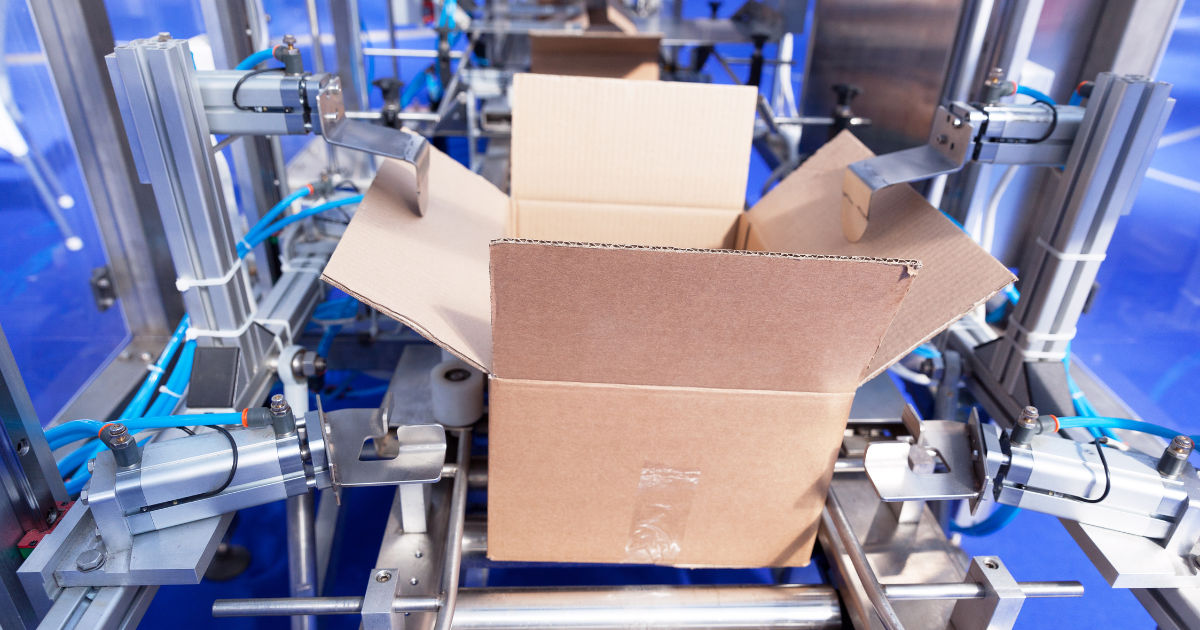
A Packing Machine is widely used in food, pharmaceutical, chemical, and consumer goods industries because it reduces manual labor and ensures consistent packaging quality.
In this detailed guide, we will explore what a flexible Packing Machine is, how it works, its components, types, advantages, applications, and future trends. This article is written in a simple and easy-to-understand way for a 12th-grade audience while maintaining technical clarity.
What Is a Flexible Packing Machine?
A flexible Packing Machine is a type of automated system designed to package different kinds of products using adaptable settings and mechanisms. Unlike traditional fixed machines, a flexible Packing Machine can handle various product sizes, shapes, and packaging materials without requiring major structural changes.
A modern Packing Machine in this category is built with programmable controls, modular components, and adjustable settings that allow manufacturers to switch between products quickly. This flexibility makes it highly valuable in industries where product variety is high and production speed is important.
A Packing Machine of this type can handle liquids, powders, granules, solids, and even irregular-shaped products depending on its configuration.
Importance of Flexible Packing Machines in Industry
A Packing Machine is essential in today’s fast-paced industrial world because it ensures consistency and efficiency. Flexible systems have become even more important due to increasing demand for customized products.
Increased Production Efficiency
A Packing Machine increases production speed by automating repetitive tasks. Instead of manual labor, a flexible Packing Machine completes packaging in seconds with high accuracy.
Reduced Labor Costs
With automation, companies rely less on manual workers. A Packing Machine reduces operational costs while improving output quality.
Better Product Safety
A Packing Machine ensures hygienic packaging, especially in food and pharmaceutical industries. This reduces contamination risks.
Adaptability to Market Needs
A flexible Packing Machine can quickly adjust to new packaging styles, which is essential for businesses that frequently change product designs.
How a Flexible Packing Machine Works
A Packing Machine works through a series of automated steps that ensure proper packaging from start to finish. Although different machines vary, the basic working principle remains similar.
Step 1: Product Feeding
The process begins when products are fed into the Packing Machine. This can be done manually or through automated conveyor systems.
Step 2: Measuring or Dosing
The Packing Machine measures the correct quantity of product. For liquids, it uses flow meters; for solids, it uses weight-based or volume-based systems.
Step 3: Forming the Package
The Packing Machine shapes packaging material into pouches, bags, or containers depending on the requirement.
Step 4: Filling Process
Once the package is formed, the Packing Machine fills it with the measured product.
Step 5: Sealing
The Packing Machine seals the package using heat, pressure, or adhesive methods to ensure it is airtight and secure.
Step 6: Cutting and Discharge
Finally, the finished package is cut and discharged for labeling or further processing.
A Packing Machine performs all these steps automatically, ensuring high precision and speed.
Types of Flexible Packing Machines
There are several types of Packing Machine systems used in different industries. Each type serves a specific purpose depending on the product and packaging requirement.
Vertical Packing Machine
A vertical Packing Machine forms packages from a roll of film and fills them vertically. It is commonly used for snacks, grains, and powders.
Horizontal Packing Machine
A horizontal Packing Machine is used for solid products like biscuits, soap, and hardware items. It packs products lying flat on a conveyor.
Vacuum Packing Machine
A vacuum Packing Machine removes air from the package before sealing. This is widely used for food preservation.
Liquid Packing Machine
A liquid Packing Machine is designed for beverages, oils, and chemical liquids. It ensures spill-free and accurate filling.
Multi-Function Packing Machine
A multi-function Packing Machine can handle different packaging types, making it highly flexible for industries with diverse product lines.
Key Components of a Flexible Packing Machine
A Packing Machine consists of several important components that work together to complete the packaging process efficiently.
Control System
The control system acts as the brain of the Packing Machine. It allows operators to set parameters like speed, quantity, and sealing temperature.
Feeding System
This part ensures that products are delivered into the Packing Machine in a controlled manner.
Filling Unit
The filling unit of a Packing Machine ensures accurate measurement of products before packaging.
Sealing Unit
The sealing system ensures airtight and secure packaging, which is essential for product safety.
Conveyor System
A Packing Machine uses conveyors to move products through different stages of packaging.
Sensors and Automation Tools
Modern Packing Machine systems use sensors for precision and error detection.
Advantages of Using a Flexible Packing Machine
A Packing Machine offers several benefits that make it essential in modern industries.
High Speed and Efficiency
A Packing Machine works much faster than manual packaging methods.
Consistency in Packaging
Every package produced by a Packing Machine has the same size, weight, and seal quality.
Versatility
A flexible Packing Machine can handle multiple products without major modifications.
Cost-Effective Operation
Although initial investment is high, a Packing Machine reduces long-term operational costs.
Reduced Human Error
Automation in a Packing Machine eliminates mistakes caused by manual handling.
Applications of Flexible Packing Machines
A Packing Machine is used in a wide range of industries due to its adaptability and efficiency.
Food Industry
In the food industry, a Packing Machine is used for snacks, grains, spices, and frozen foods.
Pharmaceutical Industry
A Packing Machine ensures hygienic packaging of tablets, capsules, and powders.
Chemical Industry
Chemicals in liquid or powder form are safely packed using specialized Packing Machine systems.
Agricultural Sector
Seeds, fertilizers, and grains are commonly packed using a Packing Machine.
Consumer Goods Industry
Household products like soaps, detergents, and cosmetics are packed using a Packing Machine.
Factors to Consider When Choosing a Packing Machine
Selecting the right Packing Machine is important for maximizing efficiency and productivity.
Type of Product
Different products require different Packing Machine systems depending on texture and consistency.
Production Capacity
A Packing Machine should match the production speed required by the business.
Packaging Material
The type of packaging material also affects the selection of a Packing Machine.
Level of Automation
Some businesses require fully automatic Packing Machine systems, while others may prefer semi-automatic options.
Maintenance Requirements
A Packing Machine should be easy to maintain and repair for long-term use.
Maintenance and Care of Packing Machines
Proper maintenance ensures that a Packing Machine performs efficiently for a long time.
Regular Cleaning
A Packing Machine should be cleaned regularly to avoid contamination and mechanical issues.
Lubrication of Parts
Moving parts of a Packing Machine need proper lubrication for smooth operation.
Software Updates
Modern Packing Machine systems use software that should be updated regularly.
Inspection of Components
Regular inspection helps detect issues in a Packing Machine before they become serious.
Future Trends in Flexible Packing Machines
The future of Packing Machine technology is evolving rapidly with advancements in automation and artificial intelligence.
Smart Automation
Future Packing Machine systems will use AI for better accuracy and decision-making.
Energy Efficiency
New Packing Machine designs focus on reducing energy consumption.
Sustainable Packaging
Eco-friendly materials are becoming more common in Packing Machine operations.
IoT Integration
Smart Packing Machine systems will be connected to networks for real-time monitoring.
Challenges in Using Packing Machines
Although a Packing Machine offers many benefits, there are some challenges as well.
High Initial Cost
A modern Packing Machine requires significant investment.
Technical Complexity
Operating a Packing Machine may require trained staff.
Maintenance Costs
Advanced Packing Machine systems may require specialized maintenance.
Compatibility Issues
Not all products are suitable for every Packing Machine.
Why Flexible Packing Machines Are the Future
A Packing Machine is becoming more advanced and essential in modern manufacturing. Flexibility allows businesses to adapt quickly to market demands. A flexible Packing Machine supports multiple product types, reduces downtime, and improves overall productivity.
As industries continue to grow, the demand for efficient and smart Packing Machine systems will also increase. Companies that invest in advanced Packing Machine technology will have a competitive advantage in the global market.
Conclusion
A flexible Packing Machine is a vital part of modern industrial production. It improves efficiency, reduces costs, and ensures consistent packaging quality across multiple industries. From food and pharmaceuticals to chemicals and consumer goods, a Packing Machine is used everywhere to simplify packaging operations.
The ability of a Packing Machine to adapt to different products and packaging styles makes it highly valuable in today’s dynamic market. With advancements in automation, AI, and sustainability, the future of the Packing Machine industry looks promising and innovative.
In summary, a Packing Machine is not just a tool but a complete solution for modern packaging needs. Businesses that adopt flexible Packing Machine systems can achieve higher productivity, better product quality, and long-term success in competitive markets.